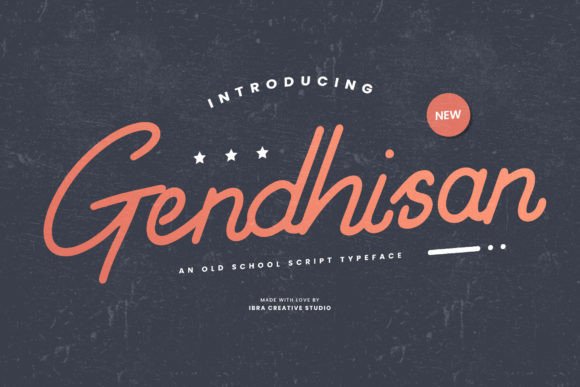
Gendhisan Script Font for Handmade Brands
Gendhisan is a standout choice among Script Handwritten Fonts because it bridges the gap between nostalgic charm and modern commercial utility. As a creator who spends hours designing labels, invitations, and printable assets, I know that finding a typeface that feels authentic yet remains legible at small sizes is a constant challenge. This old-school script typeface exudes a timeless charm reminiscent of vintage lettering, making it an ideal asset for artisans who want their products to feel personal and high-quality. With its elegant strokes and classic design, Gendhisan captures the essence of handwritten scripts from a bygone era, offering a visual warmth that sterile, digital fonts simply cannot replicate.
Using Gendhisan for Wedding Invitations and Elegant Stationery
When working with Gendhisan, Script Handwritten, and Fonts for wedding stationery, the primary goal is to evoke emotion before the guest even reads the details. This typeface shines in applications like save-the-dates, ceremony programs, and menu cards. The fluid connections between letters mimic the pressure and flow of a real pen, adding a layer of sophistication that pairs beautifully with heavy cardstock or textured paper. For invitation designers, using Gendhisan for the couple’s names creates a focal point that draws the eye immediately. Because it is an old-school script, it carries a weight of tradition that resonates well with classic or rustic wedding themes. However, it is versatile enough to work in minimalist designs if given plenty of white space. When laying out these designs, ensure you adjust the tracking slightly to prevent the swashes from colliding with adjacent text, ensuring every curve remains distinct and readable.
Creating High-Value Product Labels and Packaging with Gendhisan
For small shop owners selling physical goods, Gendhisan, Script Handwritten, and Fonts are essential tools for brand differentiation on crowded shelves. Whether you are crafting soy candles, artisan soaps, or small-batch jams, the label is your silent salesman. Gendhisan works exceptionally well for product names and short descriptors on packaging. Its vintage aesthetic suggests craftsmanship and care, which can justify a higher price point in the minds of consumers. When designing candle labels, for example, using Gendhisan for the scent name adds a touch of luxury. It is crucial, however, to consider scale. While this font is beautiful, intricate scripts can lose detail when printed very small. I recommend using Gendhisan for the primary branding element or product title, while pairing it with a clean sans serif font for ingredients and usage instructions. This contrast ensures that the legal and practical information remains legible while the brand identity remains striking and memorable.
Designing Readable Stickers and Digital Printables with Gendhisan
In the world of digital downloads and sticker shops, Gendhisan, Script Handwritten, and Fonts must perform well across various mediums, from vinyl cuts to home printers. Crafters using Cricut or Silhouette machines appreciate fonts that have consistent stroke widths, and Gendhisan delivers this balance. It is perfect for creating decorative quote stickers, planner headers, or journaling elements. Because it captures the essence of handwritten scripts, it adds a human touch to digital planners and printable wall art. When preparing files for cutting machines, always check the node count and ensure that delicate terminals are thick enough to weed easily. For printable products like greeting cards or tags, Gendhisan looks stunning in dark ink on light backgrounds. If you are creating SVG-style designs for t-shirts or tote bags, simplify the design by removing excessive flourishes that might not translate well to heat transfer vinyl. The key is to let the natural elegance of the old-school script speak for itself without overcrowding the design space.
Pairing Gendhisan with Serif and Sans Serif Typefaces for Brand Identity
Effective typography relies on contrast, and understanding how Gendhisan, Script Handwritten, and Fonts interact with other styles is vital for cohesive brand identity. Gendhisan is a display font at heart, meaning it should be used sparingly for maximum impact. To create a balanced composition, pair it with a neutral sans serif font for body text. This combination is particularly effective for social media graphics and web design, where readability is paramount. Alternatively, pairing Gendhisan with a classic serif font can enhance its vintage appeal, creating a look that is both authoritative and inviting. This pairing works well for logo design and packaging design where you want to convey heritage and trust. When experimenting with font pairing, keep the hierarchy clear. Let Gendhisan handle the emotional heavy lifting in titles and headlines, while the supporting font handles the informational load. This strategy ensures that your creative font choices enhance rather than hinder the user experience.
Maximizing Commercial Value and Licensing for Craft Business Growth
Understanding the commercial potential of Gendhisan, Script Handwritten, and Fonts is key to scaling a handmade business. Before using this typeface in client work or for merchandise, always review the specific licensing terms included with the download. Most premium fonts allow for commercial use in physical products like shirts, mugs, and printed invitations, but restrictions may apply to digital templates or logo trademarks. By investing in a properly licensed script font, you protect your business and ensure that your design assets are professional grade. Gendhisan’s versatility means it can serve multiple roles in your shop, from seasonal holiday signs to everyday boutique tags. Its ability to capture the essence of handwritten scripts makes it a valuable addition to any designer’s toolkit. When you use a high-quality typeface like Gendhisan, you signal to your customers that you value quality and attention to detail. This perceived quality translates directly into customer recognition and loyalty, making the font not just a design element, but a strategic business asset.