Sinthike: A Handwritten Font for Modern Web Design
I was recently working on a landing page for a boutique lifestyle coach who wanted her site to feel less like a corporate funnel and more like a warm, personal invitation. The layout was clean, with plenty of white space, but the hero section felt cold. I needed a typeface that could bridge the gap between professional authority and approachable warmth. That is when I turned to Sinthike, a script handwritten font that immediately changed the tone of the entire project. As digital creators, we often overlook how much personality a single typeface can inject into a user interface, but Sinthike proves that the right choice can elevate a standard web template into a memorable brand experience.
Integrating Sinthike Script into Hero Sections and Headers
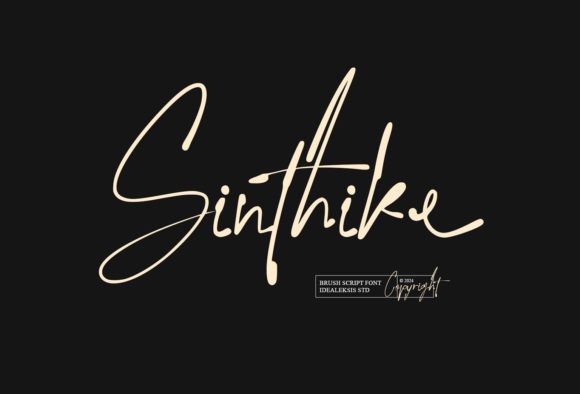
When testing Sinthike in the hero section, the first thing I noticed was the natural flow of the characters. Unlike many rigid digital fonts, this typeface offers an elegant and personal touch to every character, inspired by handcrafted strokes. In web design, the hero header is prime real estate; it is where users decide within seconds whether to stay or bounce. Using a Script Handwritten style here creates an immediate emotional connection. I placed the main headline in Sinthike against a soft, neutral background, and the contrast was striking. The font presents a natural handwritten feel that is both organic and refined, making it perfect for capturing attention without shouting.
However, using such a distinctive font requires careful handling of scale and spacing. I found that Sinthike works best when given room to breathe. Crowding the letters or reducing the line height too much disrupts the fluidity of the script. For web designers, this means adjusting CSS line-height properties to ensure the ascenders and descenders do not clash with adjacent elements. When used correctly, Sinthike transforms a generic headline into a statement piece, establishing a visual hierarchy that guides the eye naturally down the page toward the call-to-action buttons.
Enhancing Brand Identity with Elegant Handwritten Fonts
Beyond the hero section, I explored how Sinthike could support the broader brand identity across the site. For a coaching website or a creative portfolio, consistency is key to building trust. I used Sinthike for section headings and pull quotes, creating a rhythmic visual pattern that kept the user engaged as they scrolled. This approach leverages the font’s ability to offer an elegant and personal touch, reinforcing the brand’s voice as authentic and human-centric. In the world of Fonts, finding a script that remains legible at various sizes is rare, but Sinthike manages to maintain its charm even when scaled down for subheaders.
The psychological impact of using a Script Handwritten font in digital branding should not be underestimated. It signals effort, care, and individuality. For small business owners and entrepreneurs, this differentiation is crucial in a saturated market. By integrating Sinthike into email headers, social media graphics, and digital ads, the brand creates a cohesive narrative. Users begin to associate the flowing, handcrafted aesthetic with the quality of the service being offered. It is not just about aesthetics; it is about using typography to communicate values. Sinthike serves as a powerful tool in this regard, acting as a visual shorthand for elegance and personal connection.
Pairing Sinthike with Sans Serif Fonts for Readability
One of the most critical aspects of web typography is pairing. While Sinthike is stunning for display purposes, it is not suitable for long-form body copy. To ensure readability and accessibility, I paired it with a clean, modern sans serif font for the main content. This combination creates a balanced visual ecosystem. The simplicity of the sans serif allows the intricate details of the Script Handwritten style to shine without overwhelming the user. This is a standard best practice in UI design: use decorative fonts for emphasis and neutral fonts for information.
When selecting a partner font, I looked for one with similar x-height proportions to maintain vertical harmony. The result was a layout that felt polished and professional. The contrast between the organic curves of Sinthike and the geometric stability of the sans serif creates dynamic tension that keeps the design interesting. For web designers, this technique is essential when working with expressive Fonts. It ensures that the site remains functional and easy to scan, while still delivering the emotional punch of a handwritten aesthetic. This balance is particularly important for mobile users, who need clear, legible text on smaller screens.
Optimizing Sinthike for Mobile Layouts and Responsiveness
Testing Sinthike on mobile devices revealed some important considerations for responsive design. On smaller screens, complex scripts can sometimes become illegible if the font size is too small. I found that increasing the font size slightly on mobile breakpoints helped preserve the clarity of the handcrafted strokes. The font presents a natural handwritten feel that is bot, meaning it retains its integrity even when rendered on different devices. However, it is crucial to avoid using Sinthike for navigation menus or small buttons where space is limited. Instead, I reserved it for prominent headlines and short, impactful phrases.
For digital product creators and landing page designers, this means being strategic about where the font appears. Use Sinthike to highlight key benefits or testimonials, but rely on simpler typefaces for instructional text or footers. This approach respects the user’s cognitive load and ensures a smooth browsing experience. Additionally, checking the webfont file formats and ensuring fast loading times is essential. Heavy font files can slow down page speed, which negatively impacts SEO and user retention. By optimizing the delivery of Sinthike, we can enjoy its aesthetic benefits without compromising performance.
Licensing and Technical Implementation for Web Projects
Before finalizing any design, it is vital to address the technical and legal aspects of using premium Fonts. When incorporating Sinthike into a client project, I always verify the commercial licensing terms. Whether you are building an online store, a course sales page, or a corporate website, ensuring you have the right webfont license is non-negotiable. This protects both the designer and the client from potential legal issues. Most reputable font providers offer specific web licenses that allow the font to be embedded via CSS, ensuring it renders correctly across all browsers.
From a technical standpoint, implementing Sinthike involves uploading the webfont files to your server or using a font hosting service. I recommend checking for included styles and alternates, as these can add variety to your design. Some script fonts include swashes or ligatures that can enhance the handwritten effect. Exploring these options allows for greater creative flexibility. For UI designers, understanding these technical details is part of delivering a high-quality product. It ensures that the elegant and personal touch of Sinthike is preserved from the design mockup to the live website, creating a seamless and professional final result.