Theoryism: A Bold Retro Script Typeface for Web Design
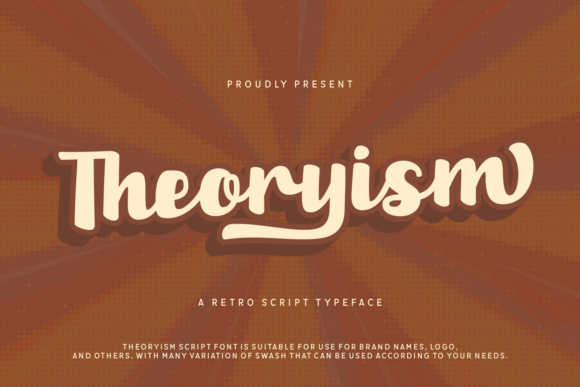
Theoryism, Script Handwritten, and Fonts converge to create a digital asset that does more than just display text; it establishes an immediate emotional connection with your website visitors. As a web designer, I constantly search for typefaces that can cut through the noise of modern, minimalist interfaces without sacrificing readability or performance. Theoryism is a bold retro script typeface that brings a nostalgic vibe with its vintage-inspired design and smooth curves, making it an exceptional choice for designers who need to inject personality into hero sections, landing pages, and brand-focused web experiences. When you integrate this font into your digital toolkit, you are not just choosing a style; you are selecting a tool that enhances visual hierarchy and guides user attention in conversion-focused layouts.
Using Theoryism for High-Impact Website Hero Sections
Theoryism, Script Handwritten, and Fonts play a critical role in defining the first impression of a landing page. In web design, the hero section is prime real estate, and using a decorative display font like Theoryism can instantly communicate brand tone. Because Theoryism features bold strokes and smooth curves, it stands out effectively against clean, sans serif font body copy. This contrast creates a strong visual hierarchy, allowing users to scan the page and immediately grasp the core message. For online stores and SaaS founders, this means using Theoryism for short, punchy headlines that promise value or evoke emotion. However, readability is paramount. When using this font on mobile screens, ensure the font size is large enough to maintain legibility, as the intricate details of a handwritten font can blur on smaller resolutions if scaled down too aggressively.
Enhancing Brand Identity in Digital Product Headers
Theoryism, Script Handwritten, and Fonts are essential for creating a consistent online identity across various digital touchpoints. For digital product creators and course sellers, the header of a sales page must convey trust and professionalism while remaining engaging. Theoryism’s vintage-inspired design adds a layer of authenticity and warmth that sterile, geometric fonts often lack. By placing Theoryism in your navigation bar or as a logo mark on your app screens, you reinforce brand recognition every time a user interacts with your interface. This consistency builds brand trust, which is crucial for converting visitors into customers. When pairing this script font with a neutral sans serif font for navigation links and body text, you ensure that the decorative elements do not overwhelm the functional aspects of the site, maintaining a balance between aesthetic appeal and usability.
Optimizing Theoryism for Social Media Graphics and Ads
Theoryism, Script Handwritten, and Fonts extend their utility beyond the browser window into social media graphics and digital ads. In the fast-paced environment of Instagram, Pinterest, and Facebook, static images and video thumbnails compete for attention. Theoryism is perfect for logos, branding, posters, packaging, and social media because its bold weight ensures visibility even in thumbnail sizes. For marketers and content creators, using this font for quote graphics, promotional banners, or story highlights can significantly increase engagement rates. The nostalgic vibe resonates with audiences looking for authentic, human-centric brands. When designing these assets, consider using high-contrast backgrounds to make the smooth curves of the font pop. Whether you are promoting a new blog post or a limited-time offer, Theoryism adds a premium feel that elevates standard marketing materials into compelling visual stories.
Readability Best Practices for Mobile and Responsive Layouts
Theoryism, Script Handwritten, and Fonts require careful handling to ensure they remain readable across all devices. As a UI designer, I always test script fonts on multiple screen sizes to prevent rendering issues. Theoryism performs best when used for titles, short phrases, or call-to-action buttons rather than long paragraphs. On mobile devices, increase the line height and letter spacing slightly to prevent the ligatures and curves from overlapping, which can hinder scanning behavior. Additionally, avoid placing this font over busy image overlays unless you add a solid background box or a text shadow to enhance contrast. For dark backgrounds, use a light color for the font to maintain clarity, and vice versa for light backgrounds. These small adjustments ensure that the aesthetic appeal of Theoryism does not come at the cost of user experience, keeping your bounce rates low and engagement high.
Strategic Font Pairing for Modern Typography Systems
Theoryism, Script Handwritten, and Fonts achieve their full potential when paired correctly with complementary typefaces. A common mistake in web design is pairing two decorative fonts, which creates visual clutter and confusion. Instead, pair Theoryism with a clean, modern sans serif font for body copy and UI elements. This combination leverages the personality of the script font for headings and accents while relying on the neutrality of the sans serif for readability in longer texts. For editorial design or blog headers, you might experiment with a classic serif font to create a more sophisticated, vintage look that aligns with Theoryism’s retro roots. The key is to establish a clear distinction between heading and body text. This strategic pairing supports a cohesive design system that feels intentional and polished, enhancing the overall professionalism of your digital products and websites.
Licensing and Technical Considerations for Web Implementation
Theoryism, Script Handwritten, and Fonts must be implemented with attention to technical details and licensing requirements. Before using Theoryism in client projects, online stores, or commercial templates, verify the commercial font licensing terms to ensure compliance. Most premium fonts offer webfont formats such as WOFF and WOFF2, which are optimized for fast loading times and broad browser compatibility. Check if the font package includes alternates or different weights, as these can provide flexibility in your design process. For multilingual support, confirm that the character set covers the languages your target audience uses. Proper implementation involves embedding the font correctly in your CSS and ensuring fallback fonts are specified to maintain layout stability if the custom font fails to load. By addressing these technical aspects, you ensure that Theoryism enhances your site’s performance and reliability, contributing to a seamless user experience.